Mid-Year Security Audit: Is Your Business Protected?

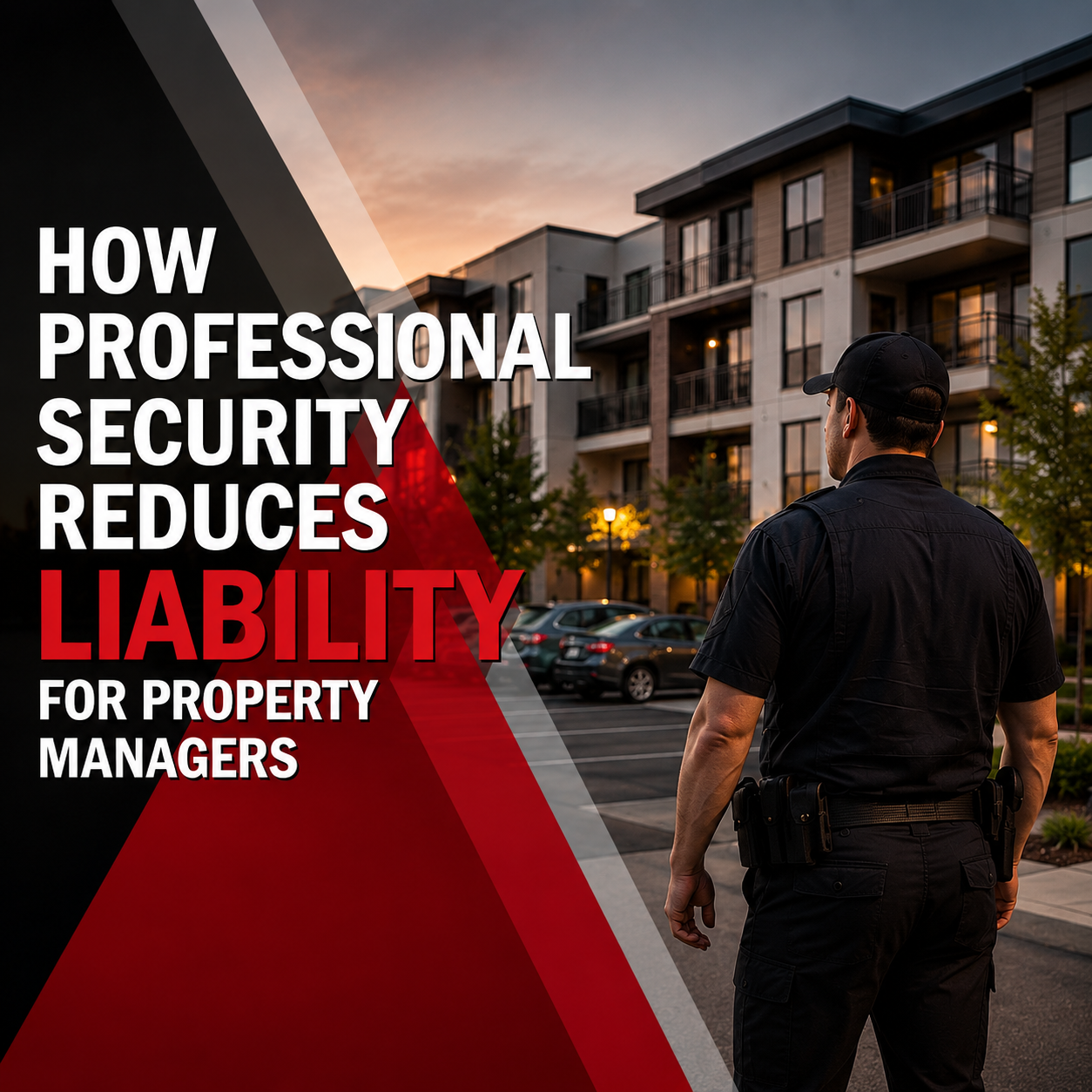
Security officer conducting a business security audit outside a modern commercial building with access control, surveillance, lighting, patrol, and response plan icons.

A business security audit helps you find weaknesses before someone takes advantage of them. Doors get propped open. Cameras shift out of position. Employees change, new equipment arrives, and operating hours expand. Meanwhile, a security plan that worked six months ago may no longer match your property.

A thorough audit gives you a clear picture of your current protection. It examines access control, surveillance, lighting, patrol procedures, incident response, employee practices, and other parts of your security program.

Whether you conduct a security review after a busy summer, before the fourth quarter, or following a major operational change, the goal remains the same: identify risks and decide where stronger protection will provide the most value.

What Should a Business Security Audit Review?

A business security audit should cover much more than locks and cameras. Start by walking the property during normal operating hours. Then return after dark if your location stays open late or faces after-hours risks. Pay close attention to entrances, emergency exits, loading areas, parking lots, storage spaces, employee-only areas, fencing, and landscaping.

Next, examine the systems that protect those areas. Do your cameras still provide useful views? Does exterior lighting cover parking areas and entrances? Do gates and doors close and lock properly? Which employees, vendors, or contractors currently have keys, badges, or access codes?

You should also look for changes in how people use the property. A loading area that once saw little traffic may now handle daily deliveries. Employees may have started using a side entrance more often. Valuable equipment may now sit in an area that originally served another purpose.

The Cybersecurity and Infrastructure Security Agency’s Security Assessment at First Entry provides a useful example of this structured approach. CISA reviews existing security measures, notes vulnerabilities, and identifies options that facility owners can consider. The same basic principle applies to private businesses. Understand what works, identify what has changed, and focus your resources on the areas that need attention.

You can also review 5 Warning Signs Your Property Needs Better Security for common signs that a property needs a closer assessment.

Start Your Security Review With What Has Changed

Security officer and business team reviewing site plans and property photos together during a collaborative security review of recent changes.Businesses change faster than many security plans. A warehouse may add a second shift. A retail property may start receiving deliveries through a different entrance. A property manager might add new tenants. Construction sites can change almost every week as crews move fencing, equipment, materials, and access points. A strong security review starts by identifying those changes.

Compare current employee schedules, customer traffic, delivery procedures, contractor access, parking activity, operating hours, and valuable assets with conditions during your last review. Incident reports can reveal useful patterns. One report about a suspicious vehicle may not indicate a major concern. Several reports involving the same parking area deserve closer attention.

Employee feedback also provides valuable information. Staff members often notice burned-out lights, recurring access problems, damaged doors, or unusual activity before management sees those issues firsthand.

The Occupational Safety and Health Administration also encourages employers to assess workplace hazards and develop prevention plans that match individual worksites. OSHA’s hazard-assessment guidance recommends considering factors such as the likelihood and potential severity of a hazard when deciding which concerns to address first. Your security review can follow a similar approach. Focus first on issues that combine higher risk with greater potential consequences.

Conduct a Vulnerability Assessment of Your Physical Security

A vulnerability assessment asks a simple question: Does each security measure actually protect the property as intended? Begin with access control. Count every way someone can enter the property. Check which entrances employees regularly use and which ones visitors can reach. Review active access cards, keys, gate codes, and alarm credentials. Remove access for former employees or vendors who no longer need it.

Then inspect your surveillance coverage. Look at the actual camera views rather than simply confirming that cameras exist. Check entrances, parking areas, loading zones, storage locations, property boundaries, and other high-traffic or high-value areas. Landscaping, signs, new equipment, and even parked vehicles can change camera visibility over time. Lighting deserves the same attention. Walk the property after dark and look for areas with poor visibility. Check parking spaces, sidewalks, employee entrances, dumpsters, loading areas, and fence lines.

Next, examine the perimeter. Look for damaged fencing, malfunctioning gates, easy climbing points, hidden areas near entrances, or routes that allow someone to approach valuable assets without drawing attention.

Finally, compare your security coverage with your current level of risk. Some properties benefit from an on-site security officer. Others may need scheduled or randomized patrol checks. Large properties can combine cameras with mobile patrols or other technology. The right solution depends on the site rather than a one-size-fits-all formula.

All Pro Security’s services include professional security guards, mobile patrol, integrated security systems, emergency response, and other options that businesses can combine around their specific needs.

Review Response, Reporting, and Officer Accountability

Detection only solves part of the problem. Your team also needs clear response procedures. During your security review, ask what happens when someone discovers suspicious activity.

Who responds to alarms after hours? Which manager receives incident notifications? When should employees contact security? When should they call law enforcement or emergency services? Managers should also review how the business documents incidents. Consistent reporting makes it easier to identify trends and decide whether security measures need adjustment.

Businesses that use security officers or mobile patrols should look closely at accountability as well. A patrol schedule only provides value when officers complete the required checks and management can verify that activity. All Pro Security supports that accountability with technology such as geo-fencing, patrol tracking, live reporting, and client communication. These tools help clients understand when patrol activity occurs and give managers better information about their security program.

All Pro Security’s mobile patrol services can include scheduled or randomized checks, incident response, detailed reporting, and coordination with local law enforcement when necessary. That information also strengthens future audits. Instead of relying only on assumptions, managers can review patrol activity, incident history, and changing conditions when they make security decisions.

Turn Audit Findings Into a Practical Security Plan

An audit only creates value when you act on the findings. Start by separating urgent problems from longer-term improvements. A damaged exterior lock may require immediate attention. An aging camera system may need a planned replacement. Managers can update emergency contacts, patrol instructions, and employee procedures much faster.

Create a simple list of actions and assign responsibility for each one. Your plan might include: Security officer and business manager reviewing a property plan together to turn business security audit findings into a practical security plan.

  • Replacing damaged locks or gates
  • Removing outdated access credentials
  • Improving lighting near an employee entrance
  • Repositioning cameras to eliminate blind spots
  • Adjusting overnight patrol routes
  • Updating emergency contact information
  • Improving visitor or delivery procedures
  • Reviewing security expectations with employees


Set realistic deadlines and verify each change after completion. Security does not stay static. New employees join the company. Businesses expand. Properties change. New equipment and technology alter how people use a site.

Regular audits help your security program keep pace with those changes. Businesses that need a combination of physical security and technology can also explore All Pro Security’s Integrated Security Systems. A layered approach can combine cameras, monitoring, mobile response, and security personnel based on the property’s needs.

Is Your Business Ready for a Security Review?

The worst time to discover a security gap is after an incident exposes it. A professional business security audit can identify weak access points, camera blind spots, ineffective patrol procedures, outdated practices, and other concerns before they create larger problems.

The goal is not to add guards, cameras, or technology everywhere. Instead, businesses should understand their actual risks and place the right security measures where they provide the greatest benefit.

All Pro Security provides professional security guards, mobile patrols, integrated security systems, emergency response, and other security solutions for a wide range of properties. Whether you manage an office, retail location, warehouse, residential community, construction site, or multiple facilities, a customized approach can help match security coverage to your operation.

Contact All Pro Security today for a free consultation. Call 801-796-1227 or visit the All Pro Security contact page to discuss a security review and customized protection plan for your property.

Picture of Kyle Haub

Kyle Haub

Author
Security and Support Specialist

All Pro Security
Privacy Overview

This website uses cookies so that we can provide you with the best user experience possible. Cookie information is stored in your browser and performs functions such as recognising you when you return to our website and helping our team to understand which sections of the website you find most interesting and useful.