What would happen if a high-value shipment disappeared from your warehouse tonight? For many businesses, the loss would go far beyond the cost of the missing product. It could delay orders, disrupt customers, increase insurance pressure, and expose weak spots in the entire operation. That is why warehouse security matters more than ever in 2026. Warehouses now face risks from cargo theft, employee access issues, after-hours trespassing, vendor traffic, and gaps in inventory control. In this guide, you will learn practical warehouse security best practices that help protect people, property, shipments, and stock. You will also see how All Pro Security can help build a layered plan using trained officers, mobile patrols, camera monitoring, and integrated security systems.
Why Warehouse Security Needs a Layered Plan in 2026
Warehouses are busy by design. Trucks come and go. Employees move between zones. Vendors, temp workers, drivers, and maintenance crews may all need access at different times. Because of that, one locked door or one camera is not enough.
A strong warehouse security plan should combine people, technology, procedures, and response. Each layer covers a different risk. Cameras help document activity. Security officers provide judgment and presence. Patrols check the property when staff leave. Access control limits who can enter sensitive areas. Reports help managers see patterns before small issues become expensive problems.
This approach matters because supply chain crime continues to affect businesses. CargoNet reported that estimated cargo theft losses surged to nearly $725 million in 2025, with organized groups targeting higher-value shipments. The same source reported that Q1 2026 losses remained high, even though total incident counts declined. For warehouse operators, that means security should not focus only on break-ins. It should also address shipping schedules, dock activity, trailer staging, and inventory movement.
All Pro Security helps businesses build practical protection plans based on the site, not a one-size-fits-all checklist. Their services can include security guards, mobile patrol, and integrated security systems that work together to support safer warehouse operation
Control Access at Doors, Gates, Docks, and Sensitive Areas
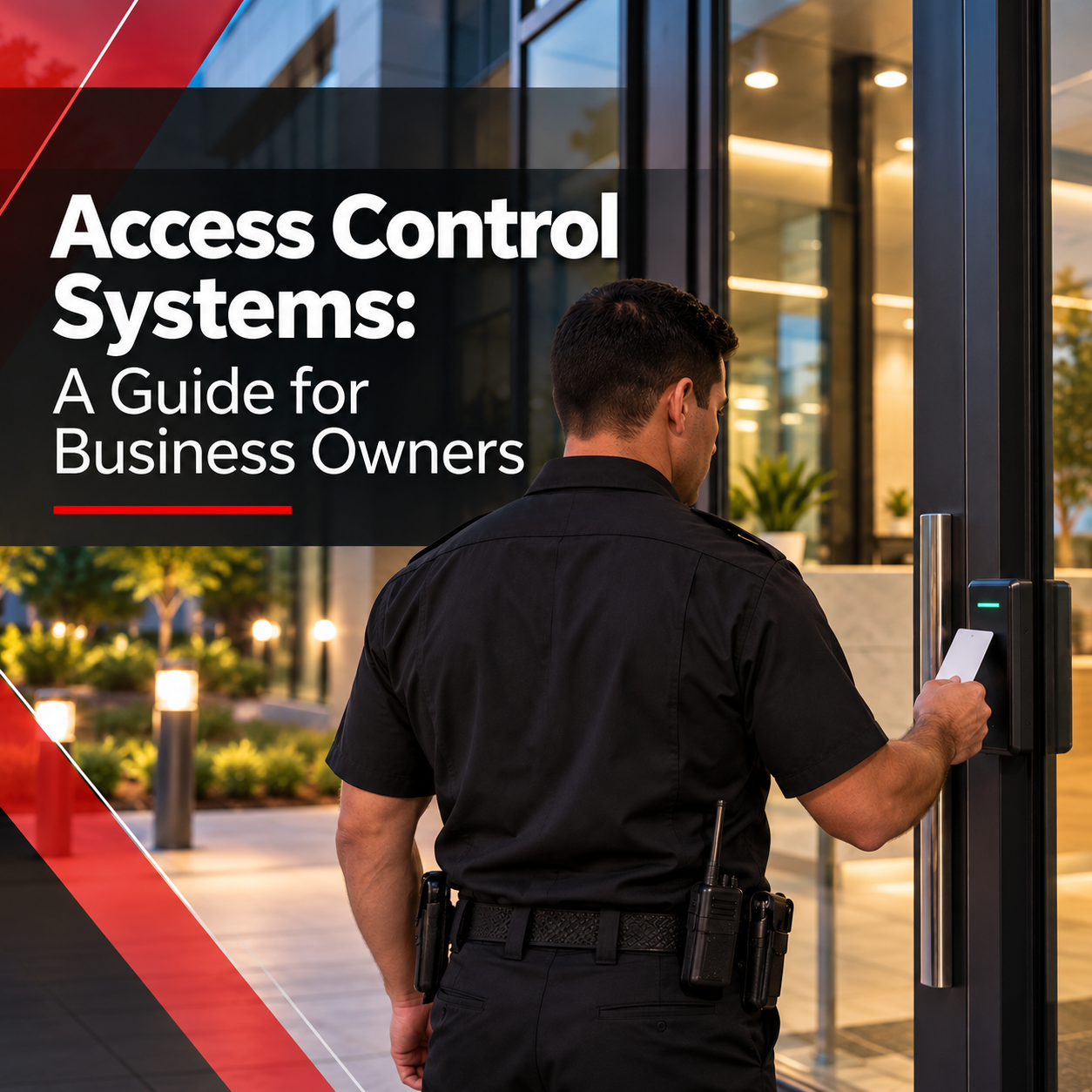
Access control is one of the most important warehouse security best practices. If too many people can enter too many areas, it becomes difficult to know who handled inventory, who opened a dock door, or who entered after hours.
Start with the main points of entry. Gates, employee doors, visitor entrances, dock doors, and side doors should all have clear rules. Employees should know which areas they can access. Visitors should sign in, wear identification, and stay within approved zones. Drivers should have a defined process for check-in, trailer pickup, and paperwork verification.
Next, separate general areas from sensitive areas. High-value products, electronics, tools, controlled materials, fuel, and customer orders should not sit in open traffic lanes if they can be staged in a more secure zone. Limited-access cages, locked storage rooms, badge-controlled areas, and camera-monitored aisles can support stronger inventory security.
Security officers can also help enforce access rules without slowing down the business. A trained officer can verify visitors, watch dock activity, check credentials, and report suspicious behavior. That visible presence supports warehouse theft prevention because it shows employees, vendors, and outsiders that the property is actively managed.
However, access control only works when policies stay consistent. If staff prop open doors, share badges, or skip sign-in steps during busy shifts, the system breaks down. That is why All Pro Security focuses on professional, accountable protection. Officers can support daily routines while also helping managers identify weak points that need attention.
Improve Warehouse Theft Prevention With Visibility and Monitoring
Warehouse theft prevention depends on visibility. If managers cannot see what happens at dock doors, parking lots, trailer yards, employee entrances, and storage zones, they may only discover problems after inventory is gone.
Cameras should cover the areas where risk is highest. These often include loading docks, exterior doors, fence lines, truck courts, will-call areas, receiving zones, shipping lanes, and high-value storage. Still, cameras alone do not solve every problem. A camera that records but does not trigger action may only help after the loss has already happened.
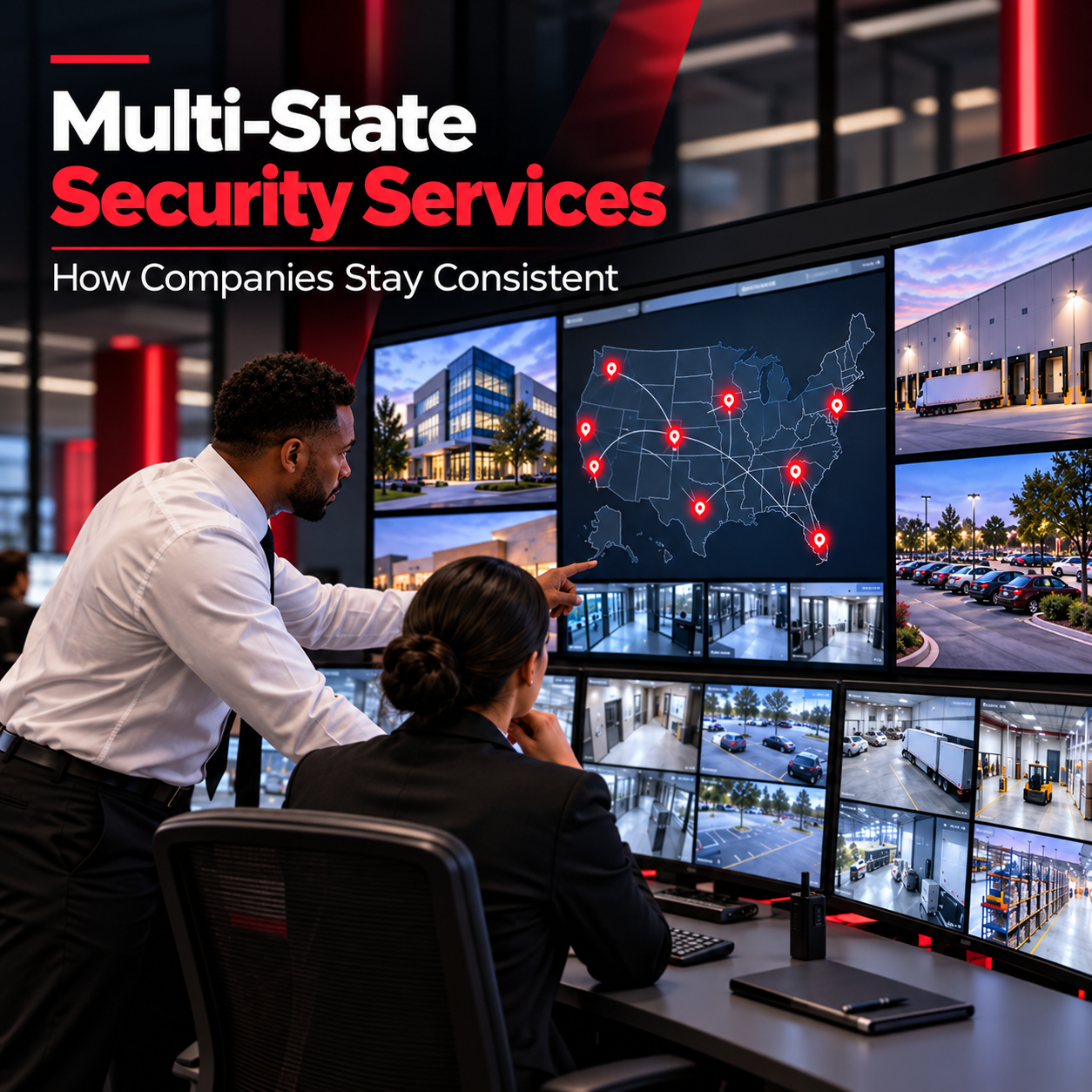
That is why many warehouses benefit from monitored cameras and patrol response. All Pro Security’s blog on remote camera monitoring explains how monitored cameras can help businesses reduce unnecessary costs while improving response. For warehouses, this can be especially useful after hours, during holiday peaks, or when shipping activity changes from week to week.
Lighting also plays a major role. Dark corners, poorly lit dock doors, and shadowed fence lines make it easier for trespassers to approach unnoticed. Better lighting improves camera quality, supports patrol checks, and helps employees feel safer during early morning or late-night shifts.
For stronger results, warehouse managers should connect cameras, lighting, patrols, and reporting. If a camera shows repeat activity near a side gate, patrol schedules can shift. If reports show doors left unlocked after a certain shift, supervisors can address training. Over time, visibility turns warehouse security into a management tool, not just a loss response.
Protect Inventory With Better Procedures and Documentation
Inventory security is not only about stopping outsiders. Many losses come from poor documentation, process gaps, misplaced products, shipping errors, or unclear accountability. A good security plan should support operations, not fight against them.
Start by reviewing the flow of inventory. When products arrive, who confirms the count? When items move to storage, who records the location? When orders leave, who verifies the shipment? If those steps rely on memory, trust, or rushed paperwork, problems can grow unnoticed.
Clear documentation helps prevent confusion. Use logs for visitors, drivers, deliveries, after-hours access, trailer movement, damaged goods, and incident reports. When a discrepancy appears, managers should have enough information to trace what happened.
This is where trained security staff can help. Officers can document gate activity, record patrol findings, note open doors, report damaged fencing, and alert management when something looks out of place. They can also help enforce rules during busy periods when warehouse teams focus on production and shipping.
Inventory security also improves when staff know what to report. Employees should feel comfortable reporting broken locks, suspicious vehicles, missing badges, damaged seals, or people in restricted areas. The goal is not to create fear. The goal is to create awareness.
The National Retail Federation’s 2025 report on retail theft and violence notes that retail crime has become more sophisticated and complex. Warehouses, fulfillment centers, and distribution points can feel that pressure because stolen goods often move through broader supply chains. Stronger procedures make it harder for inventory to disappear quietly.
Use Mobile Patrols for After-Hours and Perimeter Protection
Many warehouses are most vulnerable when the main team goes home. The building may look quiet, but trailers, pallets, tools, fuel, and vehicles may still sit outside. A locked warehouse can also attract trespassers if fencing, lighting, or gates create weak spots.
Mobile patrols help close that gap. All Pro Security’s mobile patrol services can check property boundaries, monitor gates, respond to alarms, and provide a visible security presence. For warehouse operators, patrols can be scheduled at set times or randomized to make activity less predictable.
Patrol officers can inspect exterior doors, dock plates, trailer yards, parking areas, fencing, dumpsters, and blind spots. They can also look for signs that employees may miss during a busy day, such as damaged locks, cut fencing, open gates, broken lights, or suspicious vehicles.
This type of coverage supports warehouse theft prevention because it creates movement on the property after hours. It also gives managers documentation. Instead of wondering whether the site was checked, they can review reports and incident notes.
For larger sites, patrols work best when paired with cameras and dispatch. A monitored alert can trigger a patrol response. A patrol report can confirm whether a camera angle needs adjustment. Together, the system helps protect the warehouse without requiring a full-time officer at every corner of the property.
Partner With All Pro Security for a Custom Warehouse Security Plan
The best warehouse security plan starts with a real review of your property. Every warehouse has different risks. A food distributor may worry about trailer staging and cold storage access. A construction supplier may need yard protection. An ecommerce fulfillment center may need stronger inventory security around pick-pack areas. A manufacturing warehouse may need access control for employees, vendors, and after-hours maintenance.
All Pro Security can help evaluate these needs and recommend a practical mix of services. That plan may include on-site security guards during peak hours, mobile patrols after closing, camera monitoring for dock doors, integrated systems for high-risk zones, or emergency response support when conditions change.
The goal is not to make your warehouse harder to run. The goal is to make it safer, more accountable, and better protected. Strong security should support your workflow, protect your team, reduce loss, and give managers clearer information.
If you manage a warehouse, distribution center, storage yard, or fulfillment operation, 2026 is the right time to review your plan. Cargo theft, inventory loss, and access issues are not problems to address after an incident. They are risks you can prepare for now.
Contact All Pro Security today for a free consultation. Call 801-796-1227 or visit the All Pro Security contact page to request help with your warehouse security plan.

Kyle Haub
Author
Security and Support Specialist