Nighttime Security: Protecting Your Business After Hours

Security officer monitoring a commercial property at night with a patrol vehicle, illustrating after hours security for businesses.

What happens at your business after the last employee locks the door and drives away? Empty parking lots, dark offices, unattended equipment, and limited staff can create security gaps that do not exist during normal operations. After hours security helps businesses close those gaps with the right combination of trained personnel, surveillance, access control, lighting, and clear response procedures.

As Utah businesses move into fall and daylight hours become shorter, now is a good time to examine how your property is protected at night. A strong security plan does not require putting a guard at every entrance. Instead, businesses can combine overnight security, mobile patrols, cameras, and professional security officers based on their actual risks.

Here is what business owners and property managers should consider when improving nighttime protection.

Why After Hours Security Requires a Different Approach

A property changes when employees and customers leave. During business hours, employees naturally provide another layer of observation. Someone may notice an unfamiliar person near a restricted area. A receptionist can question an unexpected visitor. Maintenance employees may spot a damaged door, gate, or fence. After hours, many of those informal safeguards disappear.

The Occupational Safety and Health Administration’s workplace violence guidance identifies working alone or in isolated areas, as well as working late at night, as factors that can increase workplace violence risks for some employees. OSHA recommends evaluating workplace-specific risks and using appropriate precautions based on the conditions employees face.

For businesses, the same site-specific approach makes sense when protecting property. An office building may need stronger access control and parking lot coverage. A warehouse may require perimeter patrols and loading-dock monitoring. Construction sites can have expensive equipment and materials sitting outside overnight. Retail properties may need additional attention around entrances, receiving areas, dumpsters, and employee parking.

Effective after hours security begins with identifying what changes once normal operations stop.

Business owners should ask:

  • Which entrances remain accessible after closing?

  • Are employees ever working alone?

  • Where are valuable equipment and materials stored?

  • Can cameras clearly see entrances, parking areas, and critical locations?

  • Who responds when an alarm activates?

  • Are gates and exterior doors checked every night?

  • Do lighting or landscaping create areas with poor visibility?

These questions turn a general security concern into a practical plan.

Build After Hours Security With Multiple Layers

No single security measure can address every situation. A camera can record suspicious activity, but recording alone does not provide a physical response. A locked gate can restrict vehicle access, but someone still needs to notice if it gets damaged. An alarm can identify a possible intrusion, but a business also needs a plan for what happens next. That is why effective after hours security uses several layers.

The Cybersecurity and Infrastructure Security Agency’s physical security guidance describes a layered approach that can combine physical barriers, surveillance, security guards, and access controls. If one protective measure fails, another layer can continue providing protection.

A commercial property might combine:Security guard using access control at a well-lit commercial building at night with surveillance cameras and a patrol vehicle, illustrating layered after hours security.
  • Exterior lighting around entrances and parking areas

  • Controlled access to buildings and restricted areas

  • Monitored surveillance cameras

  • Scheduled or randomized mobile patrols

  • Alarm and intrusion detection systems

  • Professional security officers

  • Clear emergency and alarm-response procedures

Each layer supports the others. For example, a camera may detect movement near a rear entrance. Monitoring personnel can evaluate what is happening. A mobile officer can then inspect the property when appropriate. Finally, an incident report gives management documentation about what occurred. This approach turns separate security products into a coordinated system.

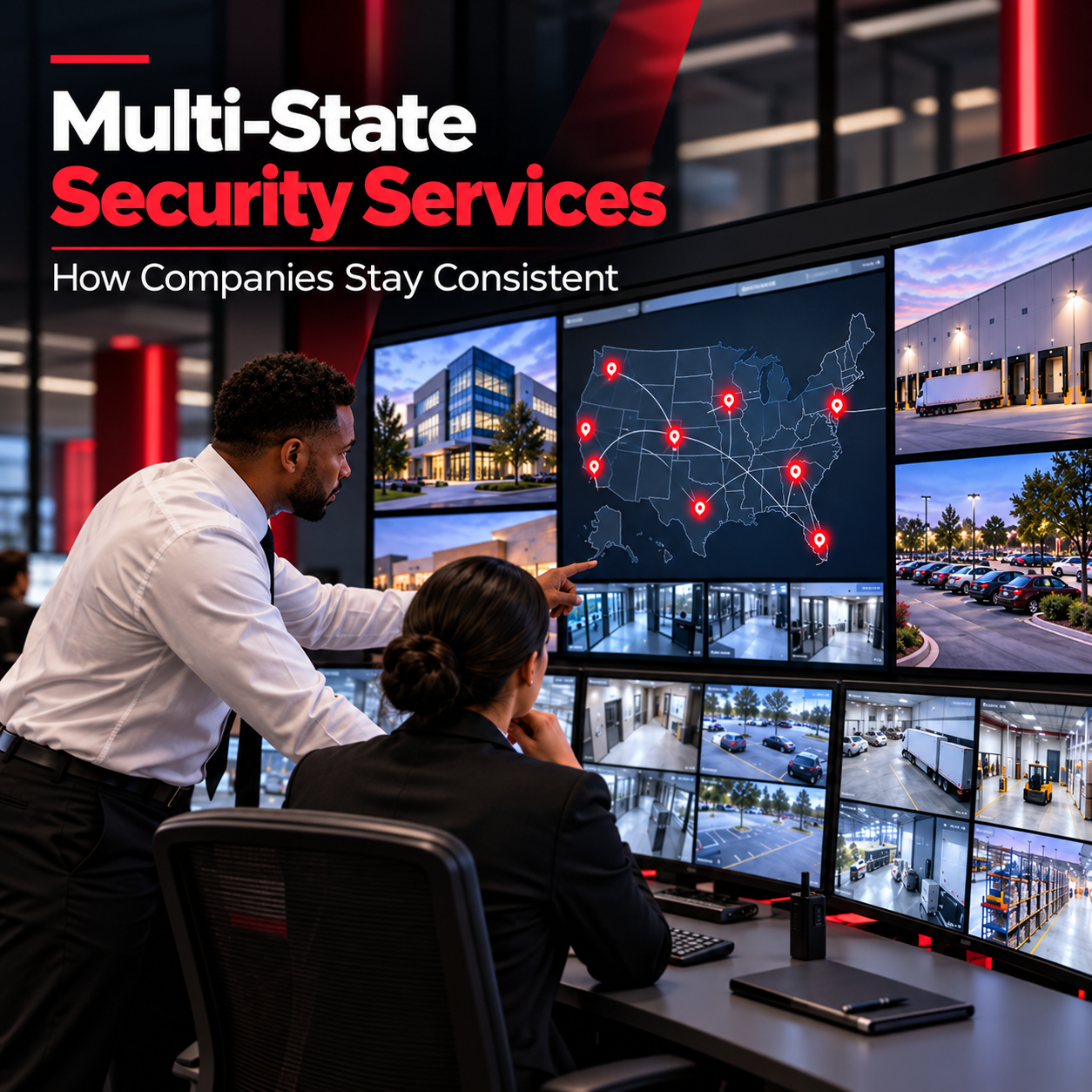
All Pro Security’s security services include professional security guards, mobile patrols, integrated security systems, emergency response, and other options that businesses can combine according to their needs.

Mobile Patrols Strengthen Overnight Security

Not every property requires a dedicated security officer throughout the entire night. That does not mean the property should remain unattended. All Pro Security’s mobile patrol services provide scheduled and randomized property checks for commercial, industrial, and residential clients. Patrol officers can inspect property boundaries, respond to alarms, maintain a visible presence, and provide reporting after each patrol.

Mobile officers can perform duties such as:

  • Checking exterior doors and access points

  • Inspecting parking areas

  • Watching for unauthorized people or vehicles

  • Identifying damaged fences, gates, or lighting

  • Responding to alarms

  • Documenting unusual activity

  • Coordinating with law enforcement when necessary

For businesses with large properties or several buildings, patrol services can provide a practical middle ground between cameras alone and permanent guard posts. Technology can strengthen patrol operations further. Geo-fencing, patrol tracking, reporting tools, and client communication can help management verify that assigned areas received attention. That matters because a patrol should involve more than a vehicle simply driving through a parking lot. Business owners should know assigned areas were actually inspected and receive documentation when officers discover a problem.

For a deeper look at this type of coverage, read How Mobile Patrol Services Keep Your Business Safe 24/7. The article explains how mobile patrol coverage can support businesses during nights and other periods when properties have fewer employees on site.

When After Hours Security Should Include On-Site Guards

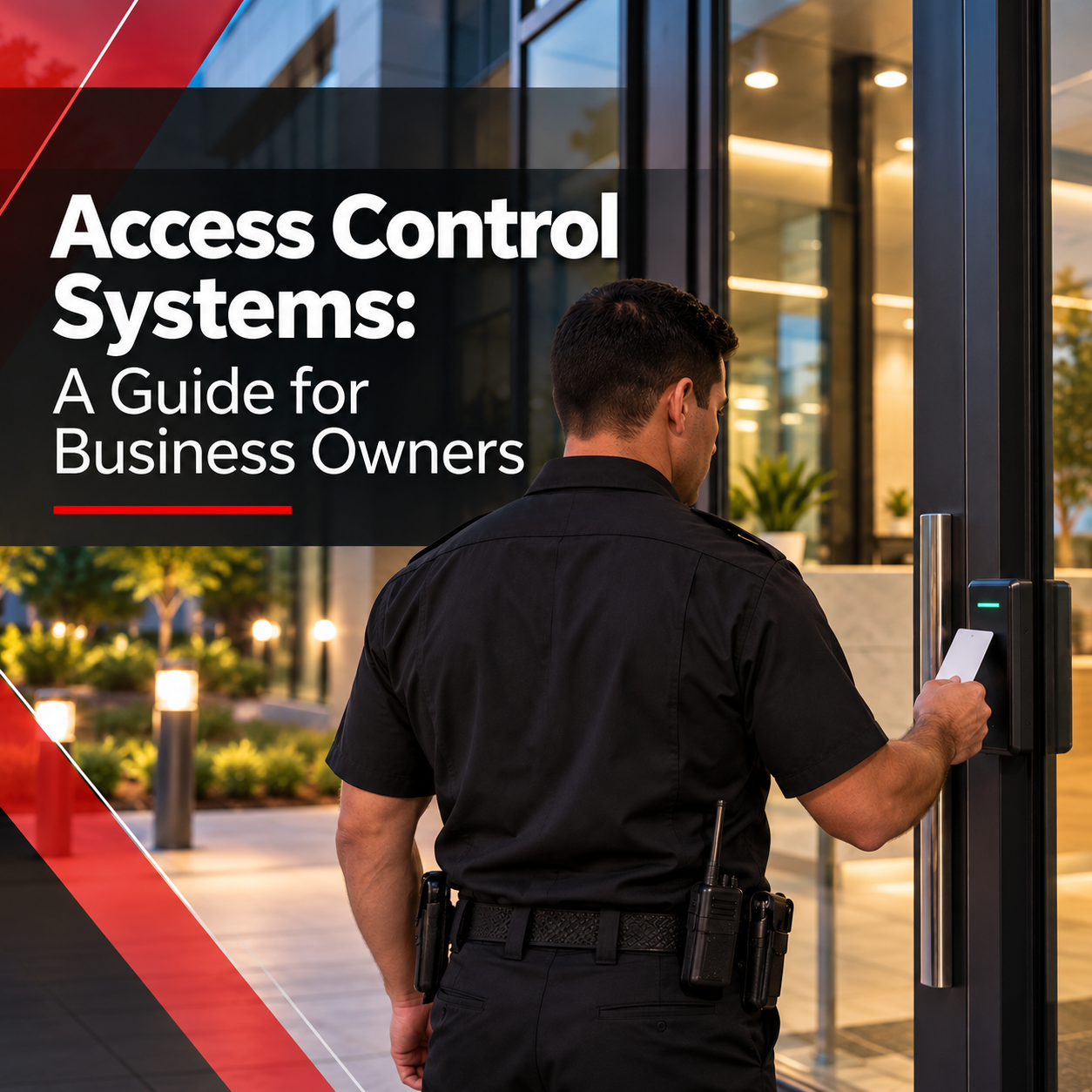
On-site security guard monitoring the entrance of a commercial building at night as an employee enters, illustrating after hours security.Some properties face risks that require a consistent human presence. Businesses with valuable inventory, frequent nighttime activity, controlled entrances, employee safety concerns, or repeated security problems may benefit from dedicated officers.

Professional security guard services from All Pro Security can provide a visible security presence while giving the property someone who can observe changing conditions and respond according to established procedures. All Pro Security provides guard services for locations including business complexes, residential properties, and other sites with different security needs.

An officer’s responsibilities should match the specific property. At one location, an officer may monitor an entrance. At another, the officer may conduct walking patrols, observe parking areas, check employee credentials, document incidents, or assist during emergencies.

Businesses should avoid treating security officers as interchangeable people assigned only to fill a post. Training, licensing, communication, supervision, and clear post orders all influence how well an officer performs an assignment. The All Pro Security article The Importance of Trained and Licensed Security Officers explains how licensing, practical training, supervision, and accountability contribute to stronger security services.

Depending on the property, businesses can also combine an on-site officer with cameras and mobile patrol support. This creates additional coverage while allowing resources to focus on the areas that need them most.

Create a Clear After Hours Security Response Plan

Detection only helps when someone knows what to do next. Imagine a camera detects movement behind your building at 2:15 a.m. Who reviews the alert? Who determines whether someone should respond? Does management receive a report afterward? When should law enforcement become involved?

Those decisions should not be made for the first time during an incident.

An after hours security plan should establish responsibilities in advance. Determine who receives alarm notifications. Define which situations require a security response. Give employees instructions for entering and leaving the property outside normal hours. Keep emergency contacts current. Finally, document incidents so management can identify recurring problems. This becomes especially important when employees work late or arrive before sunrise.

OSHA encourages employers to evaluate workplace violence hazards and develop preventive measures appropriate to identified risks. Its guidance also recognizes working alone, isolated work areas, time of day, and workplace location as factors employers may need to consider. Review OSHA’s workplace violence information here.

Security personnel should support those procedures rather than operate separately from them. A coordinated approach gives employees, managers, security officers, and emergency responders clearer expectations when an incident occurs.

Review Your Nighttime Security Before Winter

Fall is a practical time to review nighttime protection. Daylight hours continue to shrink. Holiday inventory may begin arriving. Seasonal employees can change access patterns. Some businesses also extend their operating hours during the fourth quarter.

Start by walking around your property after dark rather than evaluating it only during daylight. Look at entrances from the parking lot. Check whether cameras still have clear views. Examine lighting around employee entrances, loading areas, gates, dumpsters, and isolated portions of the property. Confirm that exterior doors close and lock correctly.

Then review your procedures. Who receives alarms? Who has keys? Which employees have after-hours access? Have former employees’ credentials been disabled? When was the emergency contact list last updated? Small operational changes can create security gaps over time.

Businesses that want to take a broader look at their current protection can also review Mid-Year Security Audit: Is Your Business Protected?. The guide covers access control, surveillance, lighting, patrol procedures, incident response, employee practices, and other areas that can change as a business grows.

Improve Your After Hours Security With All Pro Security

Your business does not stop being valuable when the workday ends. A strong after hours security strategy combines people, procedures, and technology based on the property’s actual needs instead of relying on a one-size-fits-all solution.

All Pro Security provides professional security guards, mobile patrols, integrated security systems, emergency response, and additional security services. The company currently operates in Utah, Oregon, Washington, Arizona, and Colorado while also serving clients nationwide. Whether your property needs overnight patrols, an on-site officer, stronger monitoring, or a combination of services, the first step is identifying where your current protection leaves gaps.

Contact All Pro Security today for a free consultation. Call 801-796-1227 or contact All Pro Security to request a quote and discuss a customized security plan for your business.

Picture of Kyle Haub

Kyle Haub

Author
Security and Support Specialist

All Pro Security
Privacy Overview

This website uses cookies so that we can provide you with the best user experience possible. Cookie information is stored in your browser and performs functions such as recognising you when you return to our website and helping our team to understand which sections of the website you find most interesting and useful.