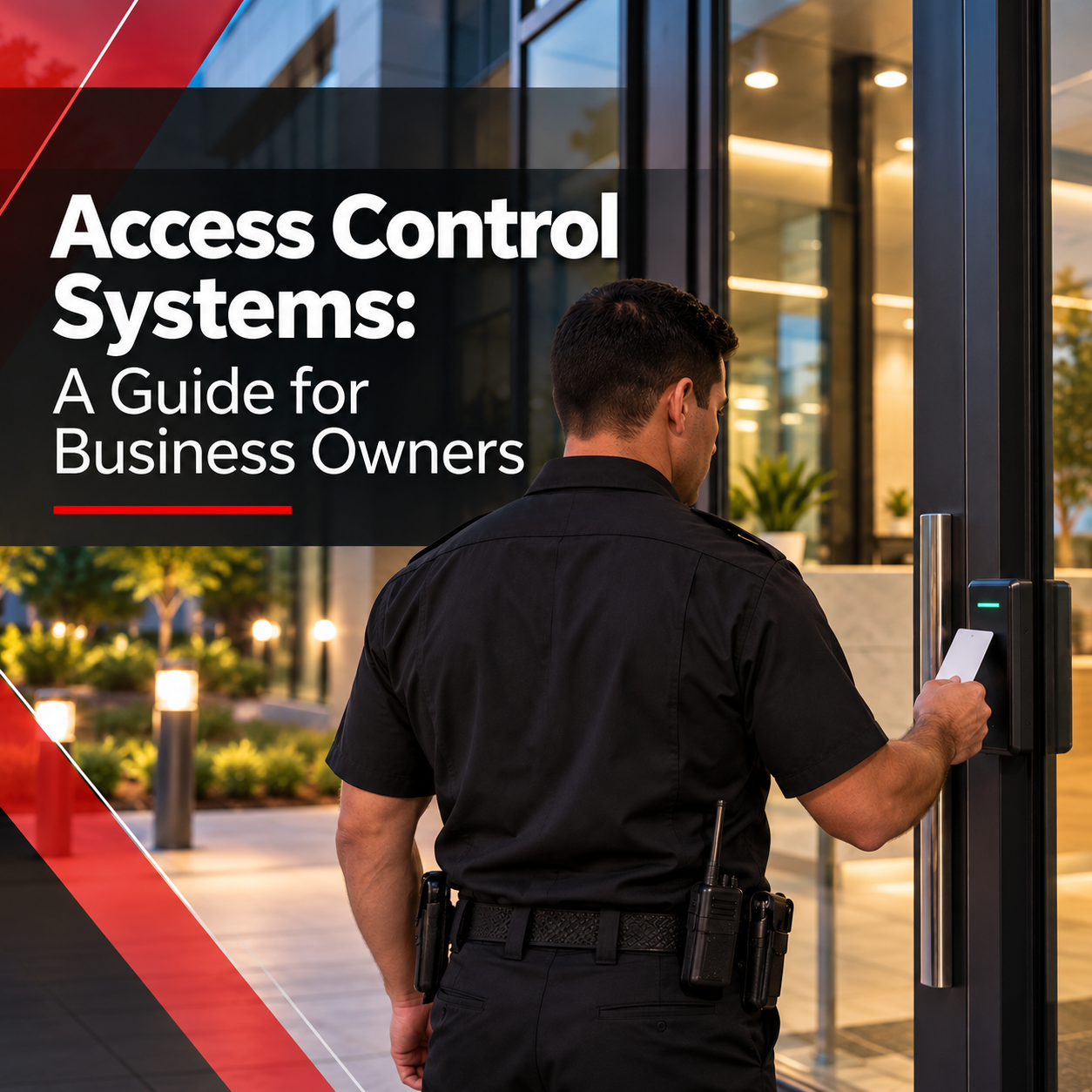
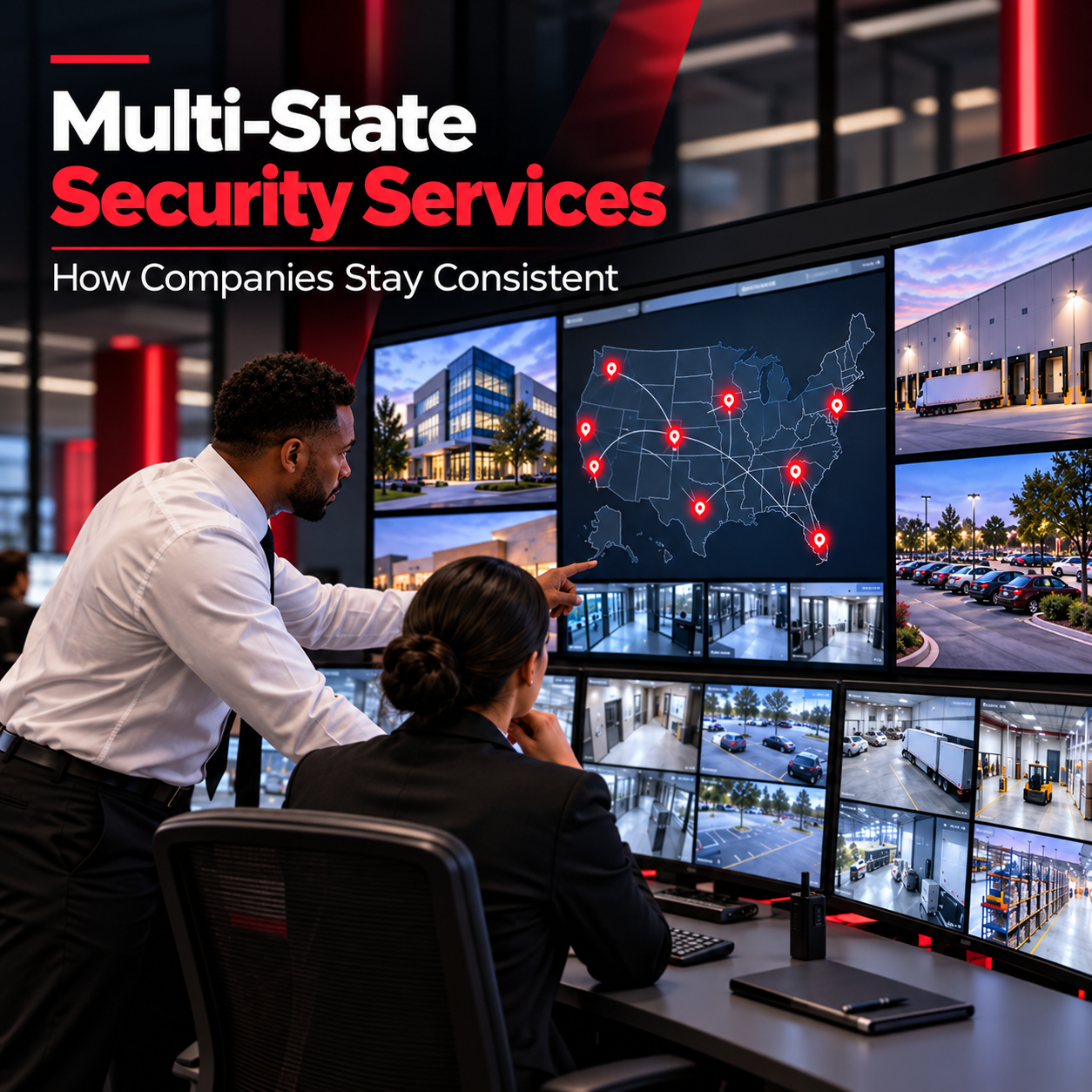
What happens in the first few minutes after an alarm sounds, a medical emergency unfolds, or a disruptive person threatens your business? Those moments can determine whether the situation stays controlled or turns chaotic. Security guard emergency response gives businesses a trained, on-site presence ready to act when emergencies happen. Security guards do more than observe. They help guide people, protect property, communicate with first responders, and support your overall safety plan. In this post, you’ll learn how professional guards assist during emergencies, why crisis management matters for every organization, and how emergency planning can help your business respond with confidence instead of confusion.
Why Security Guard Emergency Response Matters
Emergencies rarely happen at convenient times. A fire alarm may go off during a busy shift. A customer may suffer a medical issue near the entrance. A power outage may leave a facility vulnerable after dark. In many cases, a security guard is already on-site before police, fire, or medical responders arrive.
That immediate presence matters. A trained guard can assess the situation, contact emergency services, direct people away from danger, and help prevent panic. While employees may freeze or wait for management instructions, guards follow established procedures and act quickly.
For businesses, security guard emergency response can reduce confusion during high-pressure situations. Security guards can help protect exits, keep access points clear, guide responders to the right location, and document what happened. Their role is not to replace first responders. Instead, they stabilize the scene and support the official response.
All Pro Security provides professional armed and unarmed security guards trained to monitor premises, help prevent theft, and respond efficiently to emergencies. Whether you operate a retail center, office building, construction site, industrial property, residential community, or event venue, trained security personnel can help your team respond faster and more effectively.
How Security Guards Support Crisis Management
Strong crisis management depends on clear communication and calm leadership. During an emergency, people often look for direction. If no one takes charge, small problems can grow quickly.
Security guards help create order. They can communicate with employees, customers, tenants, visitors, and emergency personnel. They can also help enforce temporary safety measures, such as closing entrances, moving people away from hazards, or keeping unauthorized individuals out of restricted areas.
For example, if a workplace disturbance occurs, a guard can observe the situation, contact law enforcement, help move people to safer areas, and prevent others from crowding the scene. If a fire alarm sounds, a guard can help direct evacuation flow and watch for blocked exits. If a medical emergency happens, a guard can call 911, keep bystanders back, and guide paramedics to the patient.
Good crisis management also includes accurate reporting. After an incident, business owners and managers need to know what happened. Security guards can provide written incident reports with times, actions taken, people involved, and follow-up notes. This information helps with internal reviews, insurance claims, and future safety improvements.
For additional emergency preparedness guidance, business owners can review the Ready.gov business emergency response plan guide
Emergency Planning Before the Emergency Happens
The best emergency response begins before the emergency occurs. Emergency planning gives guards and employees a clear roadmap to follow when something goes wrong.
Without a plan, people may waste valuable time asking basic questions. Who calls 911? Which exits should people use? Where should employees gather? Who contacts the property manager? What areas need to be checked? A professional security program helps answer those questions in advance.
Security guards can support emergency planning by learning your site layout, understanding high-risk areas, reviewing patrol routes, and following post orders. They can also help identify safety gaps during daily operations.
A guard may notice that an emergency exit is blocked by deliveries. They may see that exterior lighting leaves a blind spot near a loading dock. They may discover that a gate does not close properly, a camera angle misses a key area, or visitors can enter through an unsecured side door. These observations help your business improve before a real emergency tests the system.
OSHA explains that emergency action plans help organize employer and employee actions during workplace emergencies. Business owners can review OSHA’s Emergency Action Plan guidance
Common Emergencies Security Guards Help Manage
Security guards may respond to many types of incidents. Their exact role depends on the site, the client’s procedures, and the nature of the emergency. However, their value comes from being present, alert, and trained to respond.
Medical Incidents
When someone collapses, falls, or suffers a health emergency, every minute matters. A guard can call emergency medical services, provide location details, meet responders at the entrance, and keep the area clear. This helps medical professionals reach the person faster.
Fire Alarms and Fire Watch
During a fire alarm, guards can help direct people toward exits and prevent re-entry until authorities allow it. If a fire protection system is down, fire watch guards can patrol the property, look for hazards, and report concerns according to site requirements.
Workplace Violence and Aggressive Behavior
Security guards provide a visible deterrent. If a person becomes threatening or disruptive, guards can help de-escalate when appropriate, contact law enforcement, observe key details, and help move others away from danger.
Severe Weather and Power Outages
Storms, outages, and other disruptions can create security risks. Guards can monitor entrances, check vulnerable areas, assist with communication, and help maintain order while normal systems are down.
Theft, Trespassing, and Vandalism
Emergencies can leave properties exposed. A broken gate, power outage, evacuation, or after-hours disruption may create opportunities for unauthorized access. Security guard emergency response helps protect property during these vulnerable windows.
Why Choose All Pro Security for Emergency Response Support?
All Pro Security helps businesses protect people, property, and operations with professional security services tailored to real-world risks. Our guards provide more than a uniformed presence. They observe, communicate, document, and respond with professionalism.
Businesses choose All Pro Security because they need reliable support. That may include standing guards, mobile patrols, fire watch coverage, event security, construction site security, or security camera monitoring support. Each service can play a role in a stronger safety and response strategy.
A good security partner should understand your property, your concerns, and your daily operations. All Pro Security works with clients to provide coverage that fits the site instead of forcing every business into the same plan.
Professional guards can also help your employees feel safer. Staff members should not have to handle every confrontation, emergency, or after-hours concern alone. With trained security on-site, your team has support when situations become stressful or unsafe.
Emergencies are unpredictable, but your response does not have to be. Professional security guards help businesses respond faster, communicate better, and protect people during critical moments. They also support long-term safety through planning, reporting, and prevention.
Investing in security guard emergency response is a smart step for businesses that want to strengthen safety, improve crisis management, and build more effective emergency planning procedures.
Contact All Pro Security today to learn how our professional security services can help protect your business before, during, and after an emergency. Call (801) 796-1227 or visit the All Pro Security contact page

Kyle Haub
Author
Operations Scheduling Manager - PNW
Security and Support Specialist